




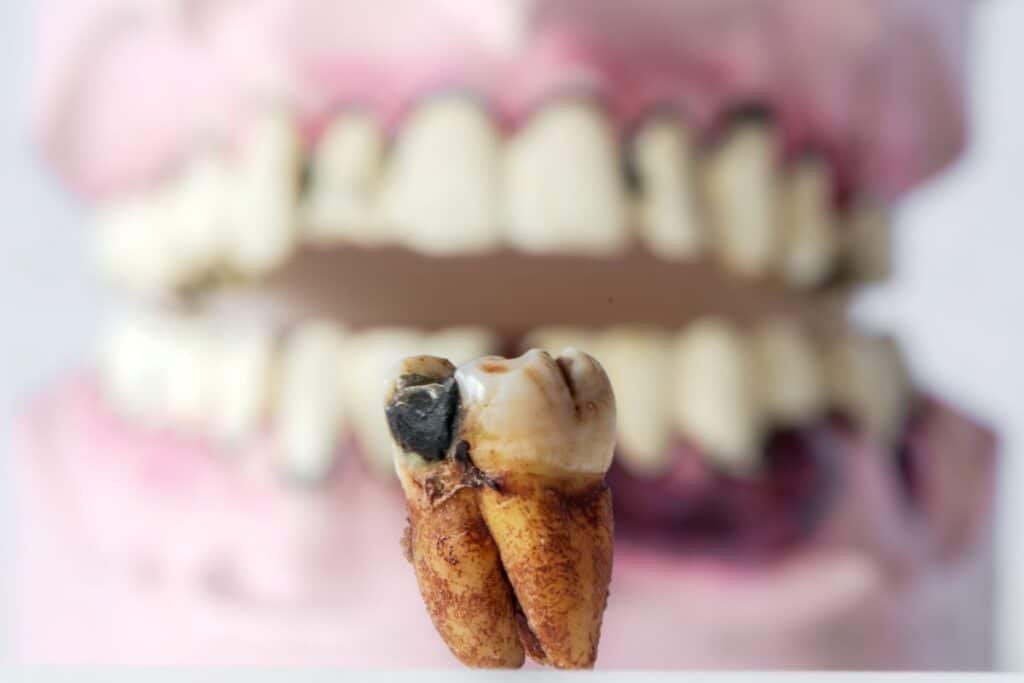
Cavities smell due to the bacteria that thrive in the decaying food particles within them. These tiny organisms produce gases and waste products as they feed on sugars in your mouth, leading to the unpleasant odor often associated with cavities. Understanding why do cavities smell can help you take the necessary steps to prevent them from forming in the first place. Keep reading to delve into the world of oral health and discover effective ways to combat cavity-related odors.

Why Do Cavities Smell: Understanding the Mystery Behind That Funky Breath
Welcome, curious minds, to our deep dive into the world of cavities and their not-so-pleasant odor. Have you ever wondered why sometimes your breath smells like something crawled into your mouth and decided to stay there? Well, fear not, for we are here to uncover the secrets behind the stench! In this article, we’ll explore the science behind why cavities develop and the role they play in creating that less-than-pleasant aroma. So, grab your toothbrush and let’s embark on this smelly adventure together!
The Basics: What Are Cavities and How Do They Form?
Before we get to the smelly stuff, let’s quickly review what cavities are and how they come to be. Cavities, also known as dental caries, are essentially tiny holes that form in your teeth due to tooth decay. Tooth decay occurs when the bacteria in your mouth feed on sugars from the food you eat and produce acid. This acid can erode the protective layer of your teeth, called enamel, leading to the formation of cavities.
Now, you might be wondering, “But how does this relate to the funky smell?” Well, hold on tight, because we’re about to dive into the nitty-gritty details!
The Smelly Culprits: Bacteria and Their Gas
One of the main reasons why cavities can smell so bad is the presence of certain types of bacteria in your mouth. These bacteria, particularly Streptococcus mutans and Lactobacillus, thrive in the sugary environment created by tooth decay. As they feed on sugars and produce acid, they also release gases that can contribute to the foul odor emanating from your mouth.
Imagine a bustling city inside your mouth, with these tiny bacteria working overtime to break down sugars and protect their territory. As they go about their business, they release volatile sulfur compounds, such as hydrogen sulfide and methyl mercaptan, which are notorious for their foul-smelling properties. These compounds are often associated with the rotten egg or garlic-like odor commonly detected in individuals with cavities.
The Role of Food Particles and Plaque
Another factor that can intensify the smell of cavities is the presence of food particles and plaque in and around the affected tooth. When food particles get stuck in the crevices of your teeth, they provide a feast for the bacteria, allowing them to produce more gas and contribute to the odor. Plaque, a sticky film that forms on your teeth when bacteria interact with sugars, can also harbor bacteria and trap food particles, creating a perfect breeding ground for smelly compounds.
So, the combination of bacteria, their gas emissions, food particles, and plaque can create a potent mix of odors that waft out every time you open your mouth. It’s like a mini chemistry lab in there, cooking up a recipe for bad breath that can make even the bravest souls cringe!
Prevention Is Key: How to Keep Cavities and Their Smell at Bay
Now that we’ve uncovered the mystery behind why cavities smell, it’s essential to address how you can prevent this stinky situation from occurring in the first place. Here are some simple yet effective tips to keep cavities and their odor in check:
1. Brush and Floss Regularly
The most basic yet crucial step in preventing cavities and bad breath is to brush your teeth at least twice a day and floss once a day. Brushing helps remove food particles and plaque from the surfaces of your teeth, while flossing cleans the areas between your teeth where bacteria love to hide.
2. Watch Your Diet
Limiting your intake of sugary and starchy foods can help reduce the amount of sugar available for bacteria to feed on. Opt for tooth-friendly snacks like fruits and vegetables and drink plenty of water to wash away food particles and bacteria.
3. Visit Your Dentist Regularly
Regular dental check-ups are essential for catching cavities early on and preventing them from getting worse. Your dentist can also provide professional cleanings to remove plaque and tartar, keeping your breath fresh and cavity-free.
Conclusion: Banishing the Cavity Smell for Good
As we conclude our exploration into the world of why cavities smell, I hope you’ve gained a deeper understanding of the science behind that funky breath. From the role of bacteria and their gas emissions to the impact of food particles and plaque, cavities can truly pack a smelly punch if left unchecked. By following good oral hygiene practices and making healthy lifestyle choices, you can help prevent cavities and keep your breath smelling fresh and clean.
So, the next time you catch a whiff of something funky in the air, remember that it might just be those pesky bacteria partying away in your mouth. Take charge of your oral health, brush like a champ, and say goodbye to cavity smell once and for all! Your teeth—and your nose—will thank you!
Stay tuned for more fascinating dental adventures and remember, a healthy smile is a happy smile!
why your breath REALLY smells #shorts
Frequently Asked Questions
Why do cavities cause bad breath?
Cavities can lead to bad breath because they provide a breeding ground for bacteria in the mouth. Bacteria feed on leftover food particles and sugars, producing acids that can erode tooth enamel and cause a foul odor. The combination of bacteria and food debris trapped in cavities contributes to the unpleasant smell.
How do cavities contribute to a foul taste in the mouth?
When cavities form in the teeth, they can trap food particles and bacteria, creating an environment where bacteria thrive and release byproducts that lead to a bad taste in the mouth. These byproducts, along with the decaying food particles, can cause an unpleasant taste that is often associated with cavities.
What role do bacteria play in causing cavities to smell?
Bacteria play a significant role in causing cavities to smell due to their ability to break down food particles and produce sulfur compounds. These sulfur compounds are responsible for the foul odor associated with cavities. As bacteria multiply and feed on sugars in the mouth, they release these compounds, contributing to the smell.
Final Thoughts
In conclusion, cavities smell due to the accumulation of bacteria that break down food particles in the mouth. This process releases foul-smelling gases as byproducts. Maintaining good oral hygiene is crucial in preventing cavities and the associated odor. Regular brushing, flossing, and dental check-ups can help keep bacteria in check and reduce the chances of developing smelly cavities. Remember, a healthy mouth leads to a fresher breath and overall well-being.



More Stories
Sports Betting Welcome Offers with Competitive Value and Clear Terms
Exploring Why William Jewett Tucker Is Critical Of Carnegie
Are The Expressions 0.5(3X + 5) And 1.5X + 2.5 Equivalent?