




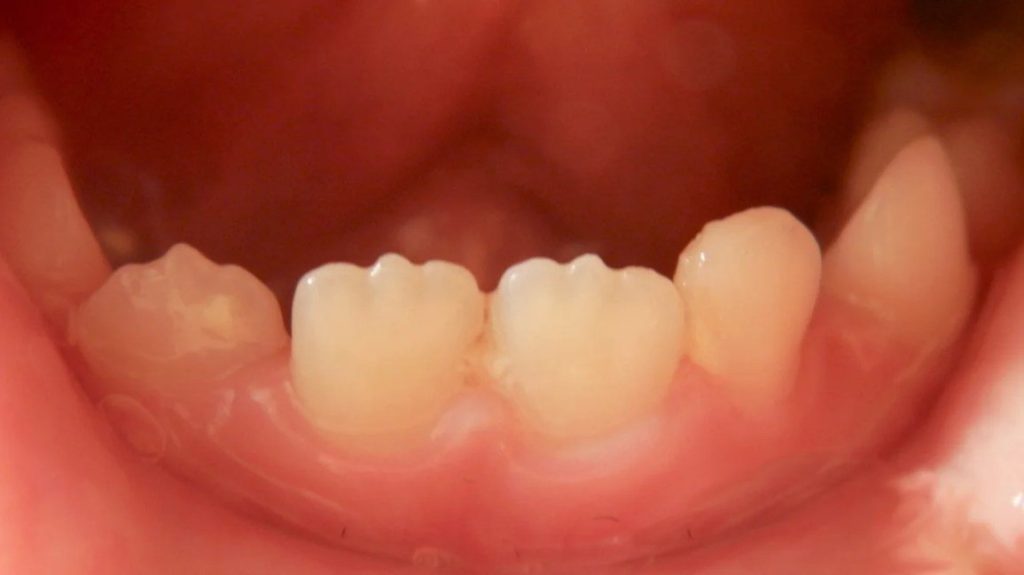
Teeth have ridges to help us chew and grind food effectively. These ridges play a crucial role in the digestive process, aiding in breaking down food into smaller particles. The intricate design of these ridges allows for efficient mastication, ensuring proper nutrient absorption. Understanding why teeth have ridges can provide insights into the fascinating functionality of our dental structure.

Why Do Teeth Have Ridges?
Have you ever looked closely at your teeth and noticed the tiny ridges on them? Those ridges are not just there for decoration – they actually serve a very important purpose! In this article, we will dive deep into the fascinating world of teeth and explore why they have ridges.
The Science Behind Teeth
Let’s start with a quick science lesson on teeth. Teeth are the hard, white structures in our mouths that we use for biting and chewing food. They are made up of different layers, including enamel, dentin, and pulp. Each tooth is designed for a specific function, whether it’s cutting, tearing, or grinding food.
The Different Types of Teeth
Did you know that you have different types of teeth in your mouth? There are four main types of teeth: incisors, canines, premolars, and molars. Each type of tooth has a unique shape and function when it comes to eating.
Incisors:
Incisors are the front teeth in your mouth and are used for cutting food into smaller pieces. They have a flat, chisel-shaped edge that helps with biting into and cutting through food.
Canines:
Canines are the pointed teeth next to the incisors. They are sharp and pointed, which makes them great for tearing food apart. Think about how a dog uses its canines to tear into a bone – that’s the same function in our mouths!
Premolars:
Premolars are the teeth between the canines and molars. They have a flat surface with ridges that help with crushing and grinding food. These ridges play a crucial role in breaking down tough or chewy foods.
Molars:
Molars are the big, flat teeth at the back of your mouth. They have large surfaces with multiple ridges that are perfect for grinding and crushing food. These teeth are essential for chewing tough foods like meat and vegetables.
Why Do Teeth Have Ridges?
Now that we understand the different types of teeth and their functions, let’s explore why teeth have ridges. The ridges on our teeth, also known as cusps, play a vital role in the chewing process.
Improved Efficiency
The ridges on our teeth help improve the efficiency of chewing and grinding food. When you bite down on food, the ridges on your molars act like little blades that help break down the food into smaller pieces. This makes it easier for your saliva and digestive enzymes to further break down the food during digestion.
Enhanced Grip
Have you ever tried to eat a slippery piece of fruit or a tough piece of meat? The ridges on your teeth provide added grip, allowing you to hold onto the food securely while you chew. This prevents food from slipping out of your mouth and helps you chew more effectively.
Increased Surface Area
The ridges on your teeth create more surface area for chewing. This means that when you chew, more of the food comes into contact with your teeth, allowing for better grinding and breaking down of the food particles. The increased surface area also helps with the absorption of nutrients from the food you eat.
Evolutionary Adaptations
Teeth with ridges are not just a random occurrence – they are the result of millions of years of evolution. Our ancestors needed strong, efficient teeth to survive and thrive in their environments. The development of ridges on teeth was a crucial adaptation that allowed early humans to effectively chew a variety of foods.
Dietary Changes
As humans evolved and their diets changed, so did their teeth. The ridges on our teeth are a reflection of the types of foods our ancestors ate. Early humans consumed a diet that consisted of tough, fibrous plants and occasionally meat. The ridges on our teeth evolved to handle these different types of foods efficiently.
Survival Advantage
Having teeth with ridges provided our ancestors with a survival advantage. Being able to chew tough foods effectively meant that early humans could extract more nutrients from their meals, giving them the energy they needed to survive and thrive. Evolutionarily, having ridged teeth was a game-changer!
Maintaining Healthy Teeth
Now that we understand the importance of teeth ridges, it’s essential to take care of our teeth to keep them healthy and strong. Here are a few tips to maintain good oral hygiene:
Brushing:
Brush your teeth at least twice a day with fluoride toothpaste to remove plaque and prevent cavities.
Flossing:
Don’t forget to floss daily to clean between your teeth and prevent gum disease.
Regular Check-ups:
Visit your dentist regularly for check-ups and cleanings to catch any dental issues early.
Healthy Diet:
Eat a balanced diet rich in fruits, vegetables, and calcium to keep your teeth and gums healthy.
In conclusion, the ridges on our teeth serve a crucial purpose in helping us chew and digest food effectively. These ridges are not just there for show – they are a result of millions of years of evolution and adaptation. By understanding why teeth have ridges and how they function, we can appreciate the amazing design of our teeth and take better care of them for a lifetime of healthy smiles!
Remember, your teeth are precious, so treat them well and they will serve you well for years to come!
Do you have bumpy teeth!? #mamelons #shorts
Frequently Asked Questions
What is the purpose of ridges on teeth?
The ridges on teeth, known as cusps, help in breaking down and chewing food effectively. They work by increasing the surface area of the tooth, allowing for better grinding and fragmentation of food particles.
How do teeth ridges aid in the chewing process?
Teeth ridges play a crucial role in mastication by acting like little hills and valleys that help in the grinding and crushing of food. This process enhances the digestion and absorption of nutrients from food.
Do all teeth have ridges?
Not all teeth have ridges. Different types of teeth have various shapes and functions. For instance, molars typically have more prominent ridges compared to incisors or canines, as they are responsible for grinding and chewing tougher foods.
Final Thoughts
In conclusion, teeth have ridges to help in the process of chewing and grinding food. These ridges, known as cusps, aid in breaking down food efficiently for digestion. The specific shape of teeth with ridges is an evolutionary adaptation that allows for more effective mastication. Understanding why teeth have ridges can provide insight into the important role they play in our overall oral health.



More Stories
Sports Betting Welcome Offers with Competitive Value and Clear Terms
Exploring Why William Jewett Tucker Is Critical Of Carnegie
Are The Expressions 0.5(3X + 5) And 1.5X + 2.5 Equivalent?