




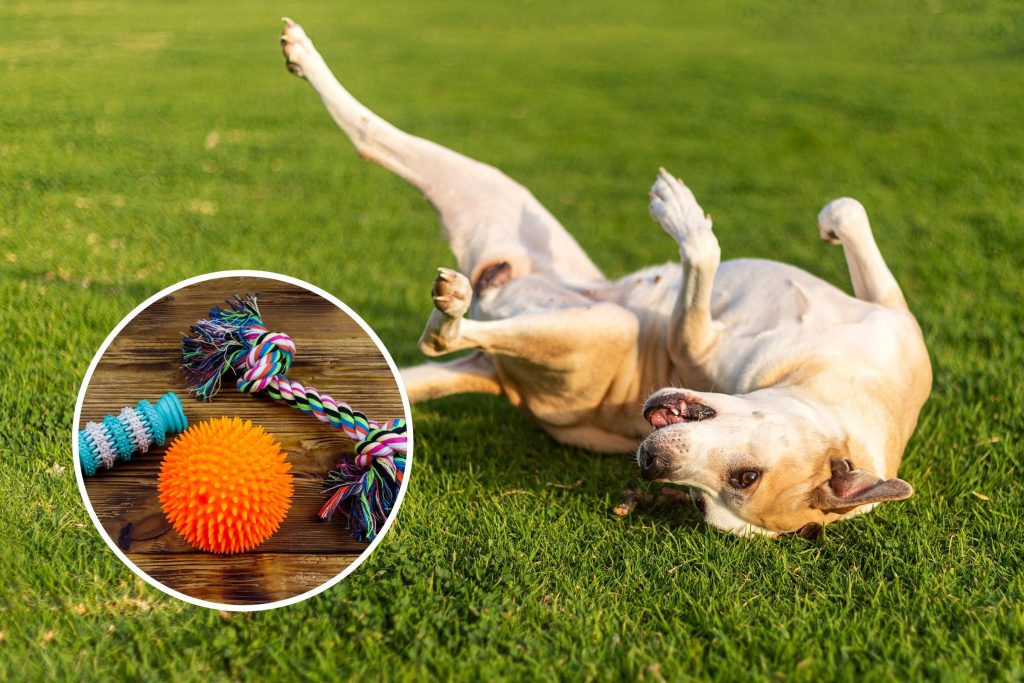
Dogs are fascinating creatures with unique behaviors that often leave us wondering. Why does my dog roll on her toys? The answer may lie in their instincts. Rolling on toys can be a way for your pup to mark their scent, claiming ownership or trying to camouflage their smell from potential predators. It can also serve as a way to spread their scent around, establishing familiarity and comfort in their environment. Understanding this quirky behavior can deepen the bond between you and your furry companion.

Why Does My Dog Roll on Her Toys: The Curious Behavior Explained
Have you ever wondered why your furry friend loves rolling on her toys so much? It may seem like a simple act, but there could be various reasons behind this behavior. Dogs exhibit many interesting behaviors that often leave us puzzled, and rolling on toys is one of them. In this blog post, we will delve into the fascinating world of canine behavior to uncover why your dog engages in this peculiar habit.
The Natural Instincts of Dogs
First and foremost, it’s essential to understand that dogs are natural beings with instincts that have been developed over centuries. One common theory behind why dogs roll on their toys is related to their primal instincts.
Dogs are descendants of wolves, and many of their behaviors can be linked back to their wild ancestors. Rolling on toys can be a way for dogs to mark their territory and claim ownership. In the wild, wolves roll on other animals’ scents to mask their own scent and establish dominance. Similarly, your dog may be rolling on her toys to leave her scent and mark them as her possessions.
Sensory Stimulation and Playfulness
Another reason why your dog may roll on her toys is the sensory stimulation it provides. Dogs have an incredibly keen sense of smell, and rolling on toys that have different scents can be an exciting sensory experience for them.
Furthermore, rolling on toys can also be a form of playfulness for dogs. Just like how children roll around in the grass or play on the floor, dogs may roll on their toys as a way to have fun and entertain themselves. This playful behavior is a natural part of their personality and can also be a way for them to release excess energy.
Comfort and Security
Additionally, dogs may roll on their toys as a way to seek comfort and security. Dogs are known to have strong emotional connections with their toys, often treating them like companions. Rolling on a favorite toy may provide your dog with a sense of familiarity and security, especially in new or unfamiliar environments.
Furthermore, the act of rolling can also be a way for dogs to release stress and anxiety. Just like how humans may hug a pillow or blanket for comfort, dogs may roll on their toys to soothe themselves and feel more relaxed.
Health and Grooming Behavior
Believe it or not, rolling on toys can also have health and grooming benefits for dogs. Dogs have a natural instinct to roll on surfaces to scratch hard-to-reach spots on their bodies. By rolling on their toys, dogs may be trying to relieve itching or discomfort caused by skin irritations or allergies.
Furthermore, rolling can help dogs maintain their coats and keep them clean. Dogs have oil glands in their skin that secrete natural oils to keep their fur healthy and shiny. Rolling on toys may help distribute these oils throughout their coats, acting as a form of self-grooming.
Behavioral Conditioning and Reinforcement
Lastly, the act of rolling on toys may also be a learned behavior that has been reinforced over time. If your dog has received positive attention or rewards in the past for rolling on her toys, she may continue to exhibit this behavior as a way to seek your approval or to receive treats.
On the other hand, rolling on toys can also be a self-reinforcing behavior for dogs. If your dog finds the act of rolling on toys pleasurable or satisfying, she may continue to engage in it simply because it brings her joy or comfort.
In Conclusion
While the exact reasons behind why dogs roll on their toys may vary from one canine companion to another, it is clear that this behavior is rooted in their natural instincts, sensory stimulation, playfulness, comfort, grooming needs, and even behavioral conditioning. By understanding the possible motivations behind this curious behavior, you can gain a deeper insight into your dog’s world and strengthen the bond you share with your furry friend.
So, the next time you catch your dog rolling on her toys, remember that there may be more to it than meets the eye. Embrace this quirky behavior and cherish the special moments you share with your canine companion!
How I taught my dog to clean up her toys
Frequently Asked Questions
Why does my dog roll on her toys?
Dogs often roll on their toys as a way to mark them with their scent. This behavior comes from their instinctual desire to claim ownership over their belongings and territory. Rolling on a toy is a way for your dog to leave their scent behind, signaling to other animals that the toy is theirs.
Is it normal for dogs to roll on their toys?
Yes, it is perfectly normal behavior for dogs to roll on their toys. This action is rooted in their natural instincts and may also serve as a way for them to feel secure and comfortable in their environment.
How can I discourage my dog from rolling on her toys?
If you want to discourage your dog from rolling on her toys, one approach is to redirect her behavior by providing other forms of enrichment or activity. Engaging your dog in interactive play or giving her puzzle toys can help shift her focus away from rolling on her toys.
Final Thoughts
Dogs roll on their toys to leave their scent and claim ownership. This behavior is instinctual, dating back to their wild ancestors marking territory. Rolling on toys also helps dogs feel secure and comfortable in their environment. Understanding ‘why does my dog roll on her toys’ provides insight into their natural behaviors and communication methods.



More Stories
Sports Betting Welcome Offers with Competitive Value and Clear Terms
Exploring Why William Jewett Tucker Is Critical Of Carnegie
Are The Expressions 0.5(3X + 5) And 1.5X + 2.5 Equivalent?