




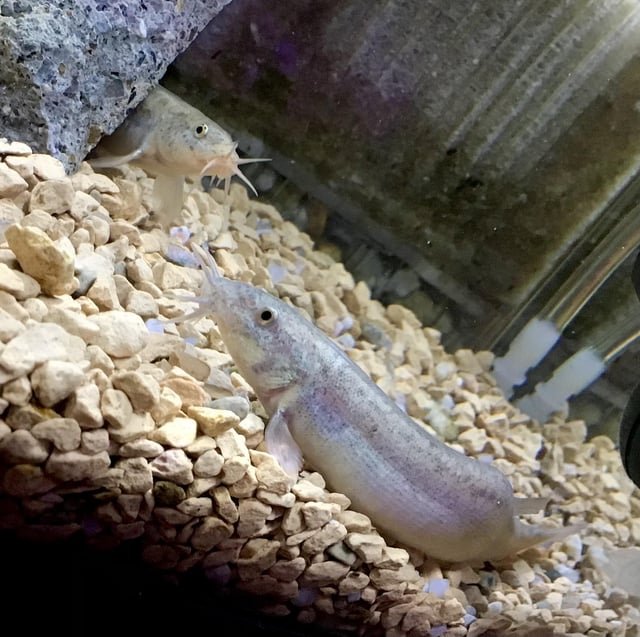
Catfish, unique among aquatic creatures, lack scales for a fascinating reason. This absence of scales sets them apart from most fish species, raising the question: Why don’t catfish have scales? The answer lies in their environment and lifestyle, where scales would be more of a hindrance than a benefit. Understanding this evolutionary adaptation sheds light on the remarkable adaptations that make catfish such successful inhabitants of freshwater ecosystems.

Why Don’t Catfish Have Scales
Have you ever wondered why catfish don’t have scales like other fish? It’s an interesting question that has intrigued many curious minds. In this article, we will delve into the fascinating world of catfish and uncover the reasons behind their unique lack of scales.
The Evolutionary Mystery of Catfish Scales
Catfish are a diverse group of fish known for their whisker-like barbels and smooth, scaleless bodies. Unlike most fish species that have scales covering their bodies for protection, catfish have evolved without scales. This evolutionary adaptation raises the question: why don’t catfish have scales?
One theory suggests that the lack of scales in catfish may be an adaptation to their unique habitats. Catfish are often found in muddy or murky waters where scales could become a hindrance rather than a benefit. Without scales, catfish can easily navigate through the debris and vegetation of their environment.
The Role of Mucus in Catfish Protection
While scales serve as a protective layer for most fish, catfish have found an alternative defense mechanism: mucus. Catfish secrete a slimy mucus that covers their skin, acting as a protective barrier against parasites and pathogens. This mucus layer not only helps catfish glide through the water smoothly but also aids in warding off potential threats.
Scientists believe that the evolution of mucus production in catfish may have rendered scales unnecessary. By relying on their mucus defenses, catfish have adapted to thrive in their specific environments without the need for traditional scales.
The Benefits of a Scaleless Body
Although scales are a common feature among most fish species, the lack of scales in catfish offers several advantages. One benefit is improved flexibility and maneuverability. Without the rigid structure of scales, catfish can bend and twist their bodies more easily, making them highly agile swimmers.
Furthermore, the absence of scales allows catfish to have a streamlined body shape, reducing drag as they swim through the water. This streamlined design enhances their swimming efficiency, making them adept hunters in their aquatic habitats.
The Connection Between Catfish and Ancient Fish Species
Another intriguing aspect of catfish anatomy is their resemblance to ancient fish species. Catfish are often referred to as living fossils due to their primitive characteristics, including their lack of scales. By studying catfish, scientists can gain insights into the evolutionary history of fish and the adaptations that have allowed certain species to survive and thrive over millennia.
It is believed that the ancestor of modern catfish likely lacked scales, and this trait has been passed down through generations. This enduring aspect of catfish anatomy highlights the remarkable resilience and adaptability of these unique fish.
In conclusion, the absence of scales in catfish is a fascinating aspect of their biology that reflects their evolutionary history and ecological adaptations. While most fish species rely on scales for protection, catfish have developed alternative mechanisms, such as mucus production, to thrive in their diverse habitats.
By exploring the reasons behind why catfish don’t have scales, we gain a deeper appreciation for the complexity of nature and the remarkable diversity of life forms that inhabit our planet. Catfish may not have scales, but they have certainly found innovative ways to flourish in the watery realms they call home.
Next time you spot a catfish gliding gracefully through the water, take a moment to marvel at its scaleless beauty and the incredible adaptations that have allowed these remarkable fish to survive and thrive against all odds.
Catfish don’t have scales – how to skin a catfish
Frequently Asked Questions
Why don’t catfish have scales?
Catfish are scaleless because they belong to a group of fish known as “scaleless fish.” These fish have evolved without scales as a natural adaptation over time. Instead of scales, catfish have a slimy skin secretion that helps protect them from parasites and abrasions.
What is the evolutionary advantage of catfish not having scales?
The lack of scales in catfish offers them several evolutionary advantages. Without scales, catfish are more agile swimmers, allowing them to navigate through various water environments with ease. Additionally, their smooth skin helps them move swiftly along the bottom of rivers and lakes in search of food.
How do catfish protect themselves without scales?
Although catfish lack scales, they have evolved other protective mechanisms to survive in their environment. One of the main defenses is their mucus-covered skin that acts as a barrier against harmful substances, parasites, and injuries. In addition, catfish have strong spines on their fins that can be used for defense against predators.
Final Thoughts
Catfish lack scales due to their unique evolutionary adaptation for their aquatic lifestyle. Scales are not necessary for catfish as they have developed a slimy mucus layer for protection. This adaptation helps them navigate their environment and avoid predators. So, the reason why catfish don’t have scales lies in their specialized evolutionary development for survival in their underwater world.



More Stories
Sports Betting Welcome Offers with Competitive Value and Clear Terms
Exploring Why William Jewett Tucker Is Critical Of Carnegie
Are The Expressions 0.5(3X + 5) And 1.5X + 2.5 Equivalent?