


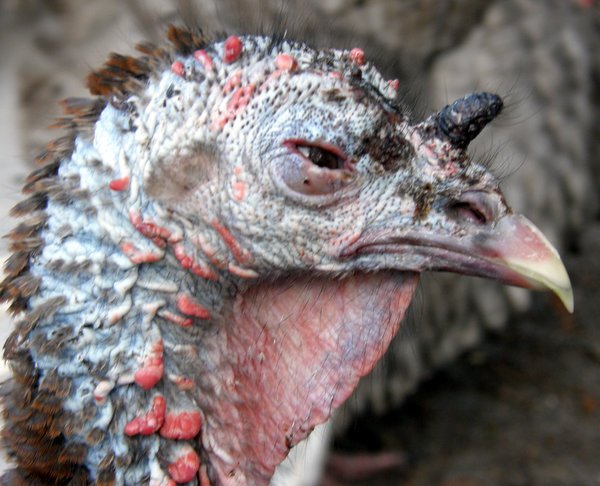
Turkeys have snoods – those fleshy, dangling appendages above their beaks. But why? The answer lies in their biology. Snoods serve a vital purpose beyond mere adornment. These unique facial features play a crucial role in turkey behavior and physiology. Let’s unravel the mystery behind why do turkeys have snoods.

Unraveling the Mystery: Why Do Turkeys Have Snoods?
The Fascinating Purpose of a Turkey’s Snood
Have you ever noticed the fleshy, elongated flap of skin that dangles over a turkey’s beak? That strange-looking feature is called a “snood.” While it may seem odd, the snood actually serves an important purpose for these majestic birds. In this article, we will delve into the intriguing world of turkeys and explore why they have snoods.
Understanding the Anatomy of a Turkey
Before we can fully grasp the significance of a turkey’s snood, let’s take a closer look at the anatomy of these birds. Turkeys are known for their distinctive features, including their colorful feathers, wattles, and, of course, the prominent snood. The snood is a specialized piece of anatomy that is unique to male turkeys, or toms. It is located above the beak and hangs down over the turkey’s forehead.
The Role of a Snood in Attracting Mates
One of the primary reasons why turkeys have snoods is for attracting mates. During the breeding season, male turkeys engage in elaborate mating displays to impress female turkeys, known as hens. The snood plays a vital role in this courtship ritual, as it becomes engorged with blood, causing it to swell and change color. A large, vibrant snood is a sign of good health and genetic fitness, making the tom more attractive to potential mates.
Thermoregulation and Snood Size
In addition to its role in attracting mates, the snood also serves a functional purpose related to thermoregulation. Turkeys are sensitive to changes in temperature, and the size of their snood can actually fluctuate based on environmental conditions. When a turkey is hot, the blood vessels in the snood dilate, allowing heat to escape and helping the bird cool down. Conversely, in cold weather, the vessels constrict, reducing heat loss and helping the turkey maintain its body temperature.
The Evolutionary History of the Snood
The presence of the snood in turkeys can be traced back to their evolutionary history. Like many other distinctive features in the animal kingdom, the snood has evolved over time to serve specific purposes that enhance the survival and reproductive success of the species. As turkeys adapted to their environments and developed complex social behaviors, the snood emerged as a key component of their biology.
Adaptations for Survival
Turkeys are well-adapted to their habitats, which can range from forests to grasslands to wetlands. The presence of the snood is a testament to the evolutionary success of these birds, as it provides them with unique advantages in terms of communication, mating, and overall fitness. By displaying their snoods during courtship rituals, male turkeys can signal their genetic quality to potential mates, ultimately leading to successful reproduction and the passing on of desirable traits to future generations.
The Significance of Sexual Selection
The evolution of the snood in turkeys also highlights the concept of sexual selection, a driving force in the development of certain traits that enhance an individual’s ability to attract mates. In the case of the snood, female turkeys have been shown to prefer males with larger, more colorful snoods, indicating a strong preference for specific traits that are associated with good health and genetic fitness. This interplay between mate choice and physical characteristics has shaped the evolution of the snood in turkeys over millions of years.
Conservation Efforts for Turkey Populations
As human activities continue to impact natural ecosystems, many species, including wild turkeys, face challenges related to habitat loss, climate change, and hunting pressure. Understanding the importance of unique features like the snood can help us appreciate the diversity of life on Earth and inspire conservation efforts to protect these remarkable creatures for future generations to enjoy.
Protecting Biodiversity
Conservation efforts aimed at preserving turkey populations can have far-reaching benefits for ecosystems as a whole. Turkeys play important roles in their habitats as seed dispersers, insect predators, and members of complex food webs. By safeguarding these birds and their unique adaptations, we can help maintain biodiversity and promote the health of ecosystems worldwide.
Educating the Next Generation
Educating young people about the fascinating world of turkeys and their extraordinary features, such as the snood, can foster a sense of wonder and curiosity about the natural world. By instilling a love and appreciation for wildlife in future generations, we can empower them to become stewards of the environment and advocates for conservation efforts that benefit all living organisms on Earth.
In conclusion, the presence of the snood in turkeys is a captivating example of how evolution has shaped the biology and behavior of these remarkable birds. From attracting mates to regulating body temperature, the snood serves a variety of functions that are essential to the survival and reproductive success of turkeys. By studying and appreciating the unique features of turkeys, we gain valuable insights into the diversity and complexity of the natural world, inspiring us to protect and preserve these incredible creatures for future generations to cherish.
Why do turkeys have snoods? #Underdogs
Frequently Asked Questions
Why do turkeys have snoods?
Turkeys have snoods for several reasons. One important function of the snood is as a secondary sexual characteristic, playing a role in attracting mates during the breeding season. The bright color and size of the snood can signal to other turkeys about the health and vitality of the individual bird.
What is the purpose of a turkey’s snood?
Aside from its role in mating behaviors, the turkey’s snood also serves a practical purpose. The snood is actually a specialized appendage that helps regulate the bird’s body temperature. During times of stress or excitement, the snood can change in size, indicating the turkey’s emotional state and overall health.
Do male and female turkeys both have snoods?
While it is more common for male turkeys, known as toms, to have larger and more prominent snoods, female turkeys, called hens, also have snoods. However, the snood of a hen is typically smaller and less noticeable compared to that of a tom. The size and color of the snood can vary depending on the individual bird’s genetics and overall health.
Final Thoughts
Turkeys have snoods to attract mates and communicate their emotions. The snood’s color and size can indicate a turkey’s health and vitality. Understanding the purpose of why turkeys have snoods helps appreciate the evolution of these fascinating birds. Through their distinctive feature, turkeys display their individuality and enhance their chances of reproduction. Appreciating the significance of why turkeys have snoods sheds light on their unique biology and social behavior.


More Stories
Sports Betting Welcome Offers with Competitive Value and Clear Terms
Are The Expressions 0.5(3X + 5) And 1.5X + 2.5 Equivalent?
Why Should You Eat Before A Tattoo: Essential Tips