




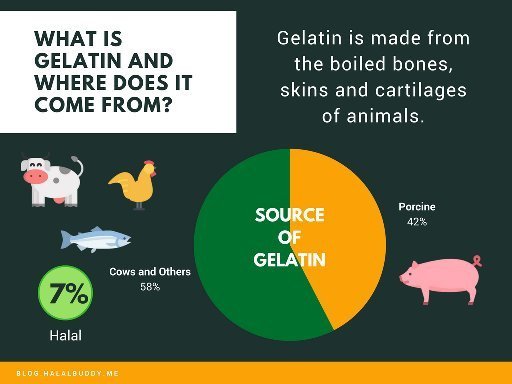
Gelatin is deemed haram because it often comes from non-halal sources. This widely-used ingredient, found in many food products, has sparked debates among Muslims worldwide. Understanding why gelatin is considered forbidden is crucial for those seeking to adhere to Islamic dietary laws. Delving into the intricacies of gelatin production unveils the complex issue at hand. Let’s explore the reasons behind why is gelatin haram and its implications on the Muslim community.

Why is Gelatin Haram: Understanding the Issue
Welcome to our blog where we delve into the interesting topic of why gelatin is considered haram in certain cultures and religions. Gelatin is a common ingredient found in many food products and medications, but its status as halal or haram can be a point of confusion for many. In this article, we will explore the reasons behind why gelatin is prohibited in some dietary practices and shed light on the implications of this restriction.
The Origin of Gelatin
To understand why gelatin is haram, we first need to know what gelatin is and where it comes from. Gelatin is a protein obtained by boiling skin, tendons, ligaments, and/or bones with water. It is commonly used as a gelling agent in food products such as gummy candies, marshmallows, and gelatin desserts. Gelatin is derived from animal sources, most commonly pigs and cows.
The Concept of Halal and Haram
In Islamic dietary laws, certain foods are considered halal, meaning permissible, while others are haram, meaning forbidden. The Quran provides guidelines on what can and cannot be consumed, and these rules are followed by Muslims around the world. The consumption of pork and its by-products is strictly prohibited in Islam, which is why gelatin derived from pigs is considered haram.
Alternative Sources of Gelatin
For individuals who adhere to halal dietary restrictions, there are alternative sources of gelatin available. Halal gelatin is derived from animals that have been slaughtered according to Islamic principles, making it permissible for consumption. Additionally, plant-based alternatives to gelatin, such as agar-agar, pectin, and carrageenan, are widely used in food production as substitutes for animal-derived gelatin.
Ethical Concerns
Aside from religious reasons, some individuals choose to avoid gelatin due to ethical concerns regarding animal welfare. The process of obtaining gelatin from animal parts involves boiling them down, which may raise issues of cruelty and sustainability. As a result, many people opt for plant-based alternatives to gelatin to align with their values of compassion towards animals.
Health Considerations
Another aspect to consider when discussing the prohibition of gelatin is its potential health implications. While gelatin itself is not inherently unhealthy, it is often found in sugary and processed foods that may contribute to health problems such as obesity and diabetes. By avoiding gelatin-containing products, individuals can make more conscious choices about their dietary habits and overall well-being.
In conclusion, the question of why gelatin is haram stems from a combination of religious, ethical, and health-related factors. For those who follow halal dietary guidelines or have concerns about animal welfare and health, avoiding gelatin derived from prohibited sources is a conscious decision. With the availability of alternative options and a growing awareness of the implications of certain food ingredients, individuals can make informed choices that align with their values and beliefs.
Thank you for joining us on this exploration of why gelatin is considered haram. We hope this article has provided valuable insights and clarity on the subject. Stay tuned for more engaging discussions on food, culture, and lifestyle topics in future posts!
Why Is Gelatin Haram? – Islamic Knowledge Network
Frequently Asked Questions
Why is gelatin considered haram in Islam?
In Islamic dietary laws, gelatin derived from non-halal sources, such as pigs or animals not slaughtered according to Islamic guidelines, is considered impure and thus haram to consume.
What makes gelatin impermissible in Islam?
Gelatin is often obtained from parts of animals that are not permissible for Muslims to eat, hence rendering it haram due to the source it comes from.
Is there a specific reason why gelatin is prohibited in Islam?
Islamic teachings emphasize the importance of consuming halal (permissible) and tayyib (wholesome) foods. Since gelatin from non-halal sources does not meet these criteria, it is considered forbidden for Muslims to eat.
Final Thoughts
In conclusion, gelatin is considered haram in Islam because it is derived from non-halal sources such as pigs or animals not slaughtered according to Islamic guidelines. As a result, consuming products containing gelatin goes against the dietary restrictions outlined in Islamic teachings. It is important for Muslims to be aware of the ingredients in their food to ensure they are following halal guidelines. Overall, understanding why gelatin is haram can help individuals make informed choices about what they consume.



More Stories
Sports Betting Welcome Offers with Competitive Value and Clear Terms
Are The Expressions 0.5(3X + 5) And 1.5X + 2.5 Equivalent?
Why Should You Eat Before A Tattoo: Essential Tips