




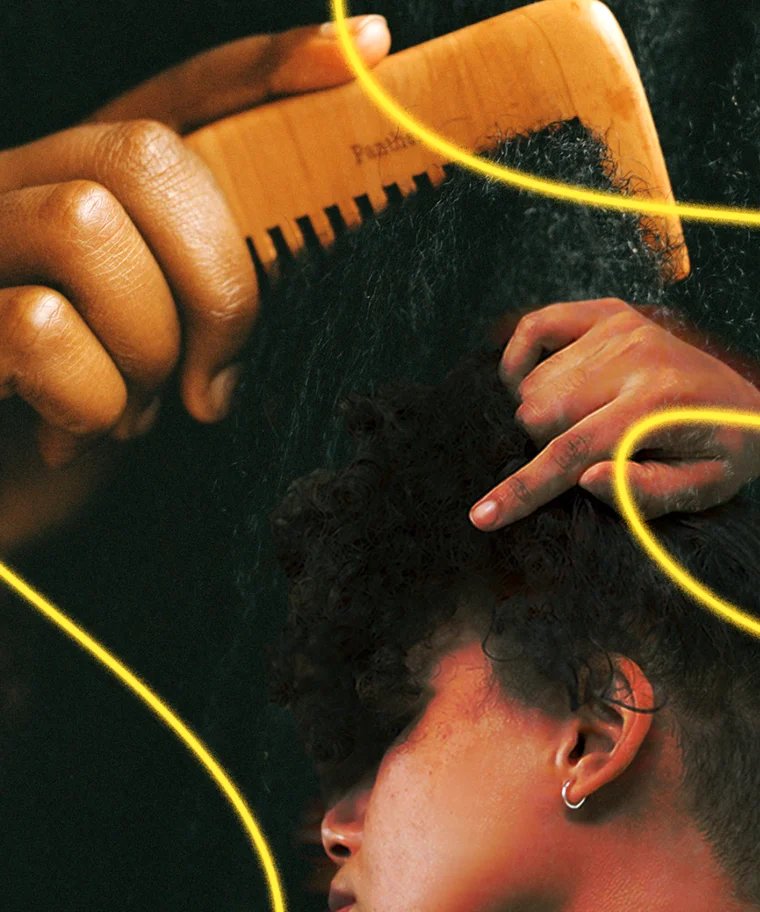
“Why am I so tender headed?” The answer may lie in understanding your hair’s unique needs. Tackling this common issue requires a gentle touch and the right hair care routine. Embracing patience and proper techniques can help alleviate the discomfort associated with tender-headedness. Let’s dive into the reasons behind this sensitivity and explore practical solutions for a smoother haircare experience.

Why Am I So Tender Headed: The Truth Behind Sensitive Scalps
Introduction
Have you ever wondered why brushing or styling your hair can sometimes feel like a painful task? If you find yourself wincing at the slightest touch to your scalp, you may be one of many individuals who are considered “tender-headed.” In this article, we will delve into the reasons behind this sensitivity and explore ways to manage and care for a sensitive scalp.
Understanding the Scalp
Before we can uncover why some of us are more sensitive than others, it’s essential to understand the scalp itself. The scalp is the skin on the top of your head that covers the skull and is home to thousands of hair follicles. It plays a crucial role in maintaining the health and growth of your hair.
The Skin on Your Scalp
The skin on your scalp is similar to the skin on the rest of your body but has some unique characteristics. It has more sebaceous glands, which produce oil (sebum) to keep your hair and scalp moisturized. Additionally, the scalp has a rich blood supply, making it a vital part of the body’s circulatory system.
The Hair Follicles
Hair follicles are small sacs within the skin from which hair grows. Each follicle contains a hair root and a sebaceous gland. These follicles are sensitive structures that can influence the overall health and sensitivity of your scalp.
Causes of Scalp Sensitivity
There are several factors that can contribute to having a tender-headed scalp. Let’s explore some of the common reasons why you may experience scalp sensitivity:
Genetics
Just like eye color or hair texture, scalp sensitivity can be influenced by genetics. If your parents or other family members have sensitive scalps, you may be more likely to inherit this trait.
Dry Scalp
Dry scalp is a common condition that occurs when the skin on your scalp lacks moisture. This can lead to itching, flaking, and overall sensitivity. Using harsh shampoos or styling products can exacerbate dryness, making your scalp even more sensitive.
Allergic Reactions
Some individuals may be sensitive or allergic to certain ingredients found in hair care products. Common allergens include fragrances, preservatives, and sulfates. An allergic reaction can cause redness, itching, and tenderness on the scalp.
Tight Hairstyles
Wearing hairstyles that put excessive tension on the scalp, such as tight ponytails, braids, or extensions, can lead to scalp sensitivity. The constant pulling and pressure on the hair follicles can cause discomfort and even hair loss over time.
Managing Scalp Sensitivity
While having a tender-headed scalp can be frustrating, there are steps you can take to manage sensitivity and improve the overall health of your scalp. Here are some tips to help you care for your sensitive scalp:
Choose Gentle Hair Care Products
Opt for mild shampoos and conditioners that are free of harsh chemicals and fragrances. Look for products specifically formulated for sensitive scalps, as they are less likely to cause irritation.
Avoid Overwashing
Washing your hair too frequently can strip the scalp of its natural oils, leading to dryness and sensitivity. Aim to wash your hair no more than a few times a week to maintain a healthy balance of oils on the scalp.
Use a Wide-Tooth Comb
When detangling your hair, use a wide-tooth comb to minimize pulling and tugging on the scalp. Start from the ends of your hair and work your way up to the roots gently to prevent breakage and discomfort.
Protect Your Scalp
When styling your hair, opt for looser hairstyles that do not put excessive strain on the scalp. Avoid tight braids, ponytails, or hair accessories that can cause discomfort. Additionally, protect your scalp from the sun by wearing a hat or using sunscreen if you’ll be outdoors for an extended period.
Having a tender-headed scalp is a common issue that many individuals face. By understanding the reasons behind scalp sensitivity and implementing proper care routines, you can alleviate discomfort and promote a healthier scalp. Remember to listen to your scalp’s needs and choose products and hairstyles that support its well-being. With the right care and attention, you can enjoy a happy and healthy scalp free from unnecessary sensitivity.
Do you have Sensitive Scalp and Pain? – Possible causes
Frequently Asked Questions
Why does my scalp hurt when styling my hair?
Feeling tender-headed when styling your hair can be due to various factors, such as sensitive scalp nerves, tight hairstyles, or excessive tension during brushing or combing. It may also be a sign of scalp inflammation or underlying health conditions.
What can cause scalp tenderness or sensitivity?
Scalp tenderness can be caused by a range of factors, including genetic predisposition, improper hair care practices, allergies to hair products, stress, hormonal changes, or even certain medical conditions like scalp psoriasis or dermatitis.
How can I reduce scalp tenderness when styling my hair?
To reduce scalp tenderness, consider using gentle hair care products, avoiding tight hairstyles that pull on the scalp, using a wide-tooth comb or a soft hairbrush, and being mindful of the amount of tension applied while styling. Regular scalp massages and maintaining a healthy diet may also help alleviate scalp sensitivity.
Final Thoughts
Having a tender head can be frustrating, but understanding the root cause can help alleviate the issue. Factors like genetics, hair texture, and scalp sensitivity can contribute to why you may be tender headed. By being gentle with your hair, using the right products, and avoiding tight hairstyles, you can reduce discomfort. Remember, everyone’s hair is different, so what works for others may not work for you. Understanding why you are so tender headed is the crucial first step towards finding solutions that work for you.



More Stories
Sports Betting Welcome Offers with Competitive Value and Clear Terms
Are The Expressions 0.5(3X + 5) And 1.5X + 2.5 Equivalent?
Why Should You Eat Before A Tattoo: Essential Tips