





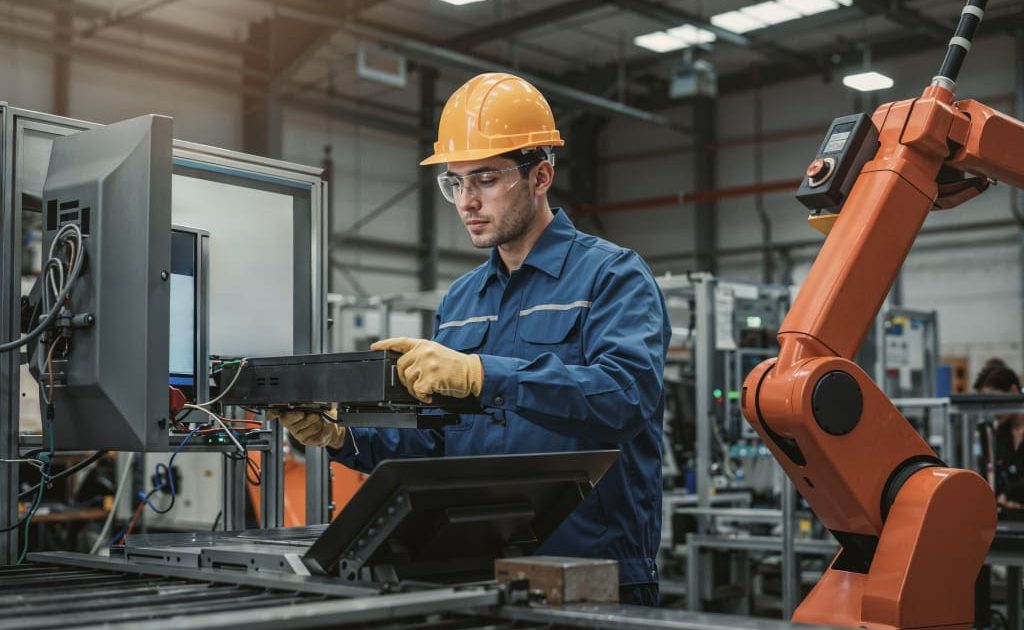
Manufacturing is no longer driven solely by machines, manpower, and manual oversight. Today’s production environments are increasingly connected, generating vast amounts of data from equipment, sensors, production lines, and quality systems. This digital transformation has created new opportunities for manufacturers to improve efficiency, reduce defects, and make faster decisions based on real-time information.
As customer expectations continue to rise, businesses must deliver products that consistently meet strict quality standards. Traditional quality assurance methods still have value, but they often struggle to keep pace with modern production demands. Digital quality assurance models are emerging as a smarter approach, enabling organizations to monitor, analyze, and improve quality throughout the entire manufacturing lifecycle.
The Shift Toward Digital Quality Assurance
Quality assurance was once heavily dependent on manual inspections, paperwork, and periodic reviews. While these methods helped identify problems, they often detected issues only after defects had already occurred. This reactive approach could lead to production delays, increased costs, and customer dissatisfaction.
Modern manufacturers are moving toward proactive quality management. Digital quality assurance systems collect and analyze production data continuously, allowing teams to identify trends, detect abnormalities, and take corrective actions before defects spread through the production process. This shift transforms quality from a checkpoint into an ongoing operational strategy.
The Foundation of Real-Time Quality Monitoring
At the center of digital quality systems is Quality Control Inspection. While inspections have always been essential, digital technologies have enhanced their effectiveness by integrating inspection results directly into centralized quality management platforms. This creates a continuous feedback loop between production and quality teams.
Inspection data can now be captured instantly through smart devices, automated testing equipment, and connected sensors. Instead of waiting for reports at the end of a shift, managers gain immediate visibility into quality performance. This real-time access helps organizations address issues faster and maintain greater consistency across production lines.
Key Elements of Digital Quality Assurance Models
Successful digital quality systems combine multiple technologies and processes to create a comprehensive view of manufacturing performance. These elements work together to improve decision-making and reduce operational risks.
- Real-Time Data Collection: Captures quality metrics directly from machines, sensors, and inspection systems.
- Automated Alerts: Notifies teams immediately when quality thresholds are exceeded.
- Centralized Dashboards: Provides a unified view of quality performance across facilities.
- Predictive Analytics: Identifies patterns that may indicate future quality issues.
- Digital Documentation: Maintains accurate records for compliance, traceability, and audits.
By connecting these components, manufacturers can create a more agile and responsive quality management framework that supports continuous improvement.
The Role of Manufacturing Audits in Digital Environments
Quality assurance extends beyond inspections alone. Audits remain critical for verifying that production processes, procedures, and controls are functioning as intended. However, digital technologies have significantly improved how audits are conducted and managed.
Through Manufacturing process audit methodologies, organizations can evaluate production workflows using real-time operational data rather than relying solely on historical records. This allows auditors to identify process variations, compliance gaps, and performance issues with greater accuracy. The result is a more dynamic and evidence-based auditing approach that supports operational excellence.
Challenges in Implementing Digital Quality Systems
Despite their advantages, digital quality assurance models are not without challenges. One common obstacle is integrating data from multiple systems. Many manufacturers operate with a combination of legacy equipment and modern technologies, making data standardization difficult.
Another challenge involves workforce readiness. Employees may require training to effectively use digital tools, interpret analytics, and adapt to new quality management processes. Organizations that invest in both technology and employee development are generally more successful in achieving long-term results.
Why Digital Quality Assurance Is the Future
The manufacturing industry is becoming increasingly complex, with shorter product lifecycles, higher customer expectations, and stricter regulatory requirements. Companies need quality systems that can keep pace with these evolving demands while maintaining operational efficiency.
Digital quality assurance provides the flexibility, visibility, and intelligence needed to compete in this environment. By combining real-time monitoring, advanced analytics, and integrated quality processes, manufacturers can reduce defects, improve compliance, and strengthen customer confidence. As technology continues to advance, digital quality models will become a standard component of modern manufacturing operations.
Conclusion
Digital transformation is reshaping how manufacturers approach quality management. Organizations that embrace connected technologies gain greater visibility into production performance, allowing them to identify risks earlier and improve decision-making across the supply chain. These capabilities help create more consistent products while supporting long-term operational growth.
In this evolving landscape, Quality Control Inspection remains a critical pillar of quality assurance. When integrated with digital systems and real-time audit processes, it provides the accuracy, transparency, and control necessary to maintain high manufacturing standards and achieve sustainable business success.



More Stories
Preboarding vs. Onboarding: How to Prepare Employees Before Their First Day
Matthew Syken’s Corporate Legal Leadership in a Changing Business Landscape
Operational Excellence in Healthcare: Keith Myers’ Strategic Leadership Approach